
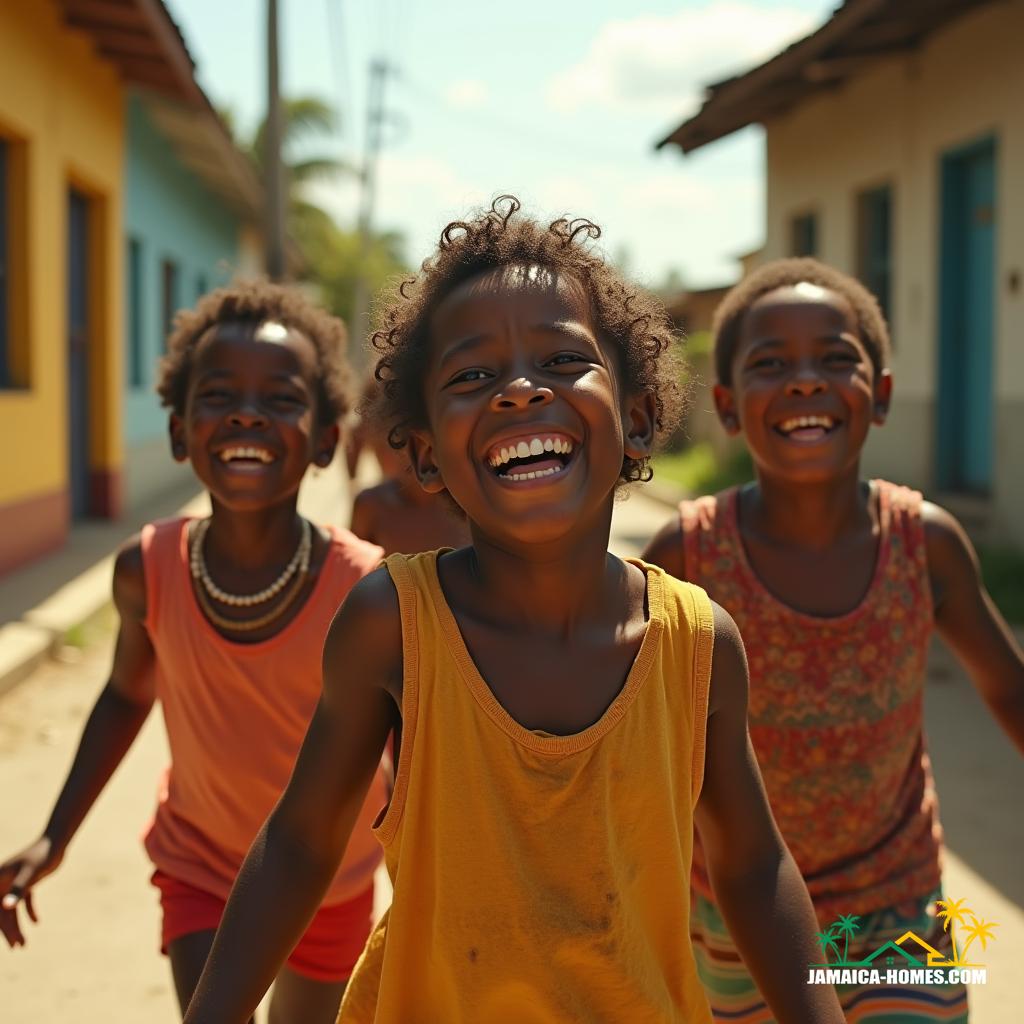
That spirit didn’t drop from the sky. It grew here, in our history, in our culture, and in the way Jamaicans have always had to make a way—sometimes with very little—by leaning on community, church, neighbour, and family.
And right now, with Hurricane Melissa making landfall on October 28, 2025 as a catastrophic Category 5 storm, damaging homes and displacing thousands, that Christmas spirit isn’t a nice extra. It is a lifeline.
This is a timeless Jamaican Christmas post—with a real estate lens—because in Jamaica, “Christmas good” is not just what’s on the table. It’s whether people have a table at all. Whether people have a roof. Whether the house still has a door.
---
1) Before the tree: Christmas as survival, freedom, and culture
A lot of Jamaican Christmas tradition traces back to colonial times, when enslaved Africans were given a limited period of “free time” around Christmas. Out of that tiny opening came music, dance, masquerade, and market—joy as resistance, celebration as a form of humanity.
Jonkonnu (also spelled “John Canoe”) is one of the best-known examples: a Christmas-season masquerade tradition with deep African roots and Jamaican creativity. The Jamaica Information Service notes early descriptions of these masked dancers appearing as far back as the 1700s, including references linked to Edward Long’s History of Jamaica (1774).
And then there is Grand Market (Gran’ Market): the all-night shopping, the street energy, the last-minute scramble, the sorrel and gungo peas, the “mi ago catch one bargain”. The National Library of Jamaica and local reporting both tie Grand Market’s origins to slavery-era Christmas time-off, when people sold produce and celebrated through the night.
So Jamaican Christmas has always carried two truths at the same time:
* celebration is real
* struggle is also real
That’s why the heart of the season here is not only “what you get”, but who you remember.
---
2) Feeding the poor: not a trend—Jamaican normal
In Jamaica, feeding people at Christmas is not new and it’s not performative. It’s woven into church life, civic life, and basic community decency.
You see it in the small ways: the extra plate, the neighbour call, the pot sharing. And you see it in the organised ways too—charities and groups that mobilise food packages, hot meals, and supplies, especially when disaster hits.
After Hurricane Melissa, organisations publicly documented relief activity—food packages and emergency response work—because the need was immediate. For example, Food For The Poor Jamaica activated an emergency response as the storm approached, preparing supplies and relief packages.
And you see calls for Jamaicans to volunteer during the Christmas season in the wake of the storm, including specific mentions of food, clean water, and support to displaced families.
This matters because feeding people is not separate from housing people. When a home is damaged or lost, the kitchen goes too. The fridge. The stove. The little “pantry corner” everybody builds without even realising it. Disaster turns normal life into survival overnight.
So yes—feed people. But also remember: food support is often the first form of housing support, because it stabilises a household while the roof and walls are being sorted out.
---
3) Housing the homeless: Christmas means shelter, not speeches
“Housing the homeless” can sound like a big slogan. But in Jamaica, shelter is practical business: where someone sleeping tonight?
After Hurricane Melissa, thousands were displaced. Reports described households displaced and people living in shelters, with ongoing challenges in access and recovery.
Government communications also pointed to steps being taken to move people out of inappropriate temporary spaces (including schools) by installing prefabricated housing units to accommodate displaced persons.
And internationally, organisations mobilised short-term shelter support too—for example, the UN Caribbean site reported an IOM and Airbnb.org partnership to provide free emergency stays for displaced families and frontline responders affected by Melissa.
Those are not “nice stories.” That is the real fight: getting people under cover safely, quickly, and with dignity.
Because Christmas in Jamaica has a hard truth:
A country can’t sing carols loudly while people are sleeping in the rain.
---
4) The real estate reality: in Jamaica, a home is security—and legacy
Now let’s bring the real estate theme properly, because land and housing are not just “property talk” in Jamaica. They are identity.
A Jamaican home is:
* the place you raise children
* the place you send barrel to
* the place you “fix up little by little”
* the place you plan to hand down
So when a hurricane hits, it’s not only “damage to structures.” It’s damage to security. It shakes the one asset many families rely on most.
Hurricane Melissa wasn’t just a weather event. Multiple reports described severe impacts, including damaged homes and infrastructure, and major national recovery financing discussions.
And that brings a timeless lesson: housing resilience is social resilience.
If we want to honour the season in a way that lasts beyond December, we have to talk honestly about how Jamaica builds, buys, insures, rents, and protects homes—especially for people already living close to the edge.
---
5) What “Christmas spirit” looks like in housing, land, and community
Here are real, practical ways Jamaicans can live the Christmas message—without pretending, without lies, and without big talk.
A) Help someone secure safe temporary shelter
If you know a family is displaced, support them in ways that actually solve the “tonight” problem:
* link them with credible relief channels
* help them reach a safe shelter option
* assist with transport, batteries, tarps, baby supplies
Even when international and national systems respond, community action remains a critical bridge in the gap between “announcement” and “arrival.”
B) Give building support, not just sympathy
A “food hamper” helps—yes. But so does:
* plywood
* galvanise
* nails and hurricane straps
* tool lending
* skilled labour time
In Jamaica, rebuilding is often incremental. One board today, one sheet next week. And that’s still rebuilding.
C) Support organisations already doing housing-related care
Some groups work with vulnerable populations year-round and documented storm impacts to their residential facilities, including the need to restore and repair damaged homes.
Supporting that kind of work is a Christmas act that lasts.
D) If you’re a landlord, don’t become the storm
This is the part people avoid saying. But it’s real.
After disaster, some tenants lose jobs, documents, even transport. A decent landlord doesn’t ignore the contract—but they also don’t weaponise it. You can:
* communicate clearly
* agree a short-term plan
* help tenants access assistance options
* avoid opportunistic rent hikes
Because housing is business, yes—but in Jamaica it is also people.
E) Make resilience a property value, not an afterthought
If you own property, your “Christmas upgrade” might not be a new sofa. It might be:
* better roof fastening
* addressing leaks and drainage
* trimming hazard trees
* securing gates and windows
* reviewing insurance
Disaster teaches brutally: what you postpone in peace, you pay for in storm.
---
6) Christmas is a roof, a plate, and a neighbour
When we look back at how Christmas formed in Jamaica—from Jonkonnu and Grand Market traditions grounded in survival and celebration under hardship—we see something clear:
Jamaicans have always known how to turn little into something meaningful.
And now, after Hurricane Melissa, we are being asked to do it again—but with urgency.
So here’s the authentic message:
* If you can feed someone—feed them.
* If you can help repair a roof—help repair it.
* If you can help someone find safe shelter—do that first.
* If you have property—use your power responsibly.
Because Christmas in Jamaica is not proven by decorations. It is proven by dignity.
A country is only as festive as the safety of its most vulnerable households.
And in the wake of a storm that damaged homes and displaced families, the most Jamaican, most timeless Christmas act is simple:
Make sure somebody has a safe place to sleep—then share the food.
The post Christmas in Jamaica: A Season Built on Community, Shelter, and “Who Have Less” first appeared on Jamaica Homes.
https://jamaica-homes.com/2025/12/25/christmas-in-jamaica-a-season-built-on-community-shelter-and-who-have-less/?utm_source=dlvr.it&utm_medium=blogger