
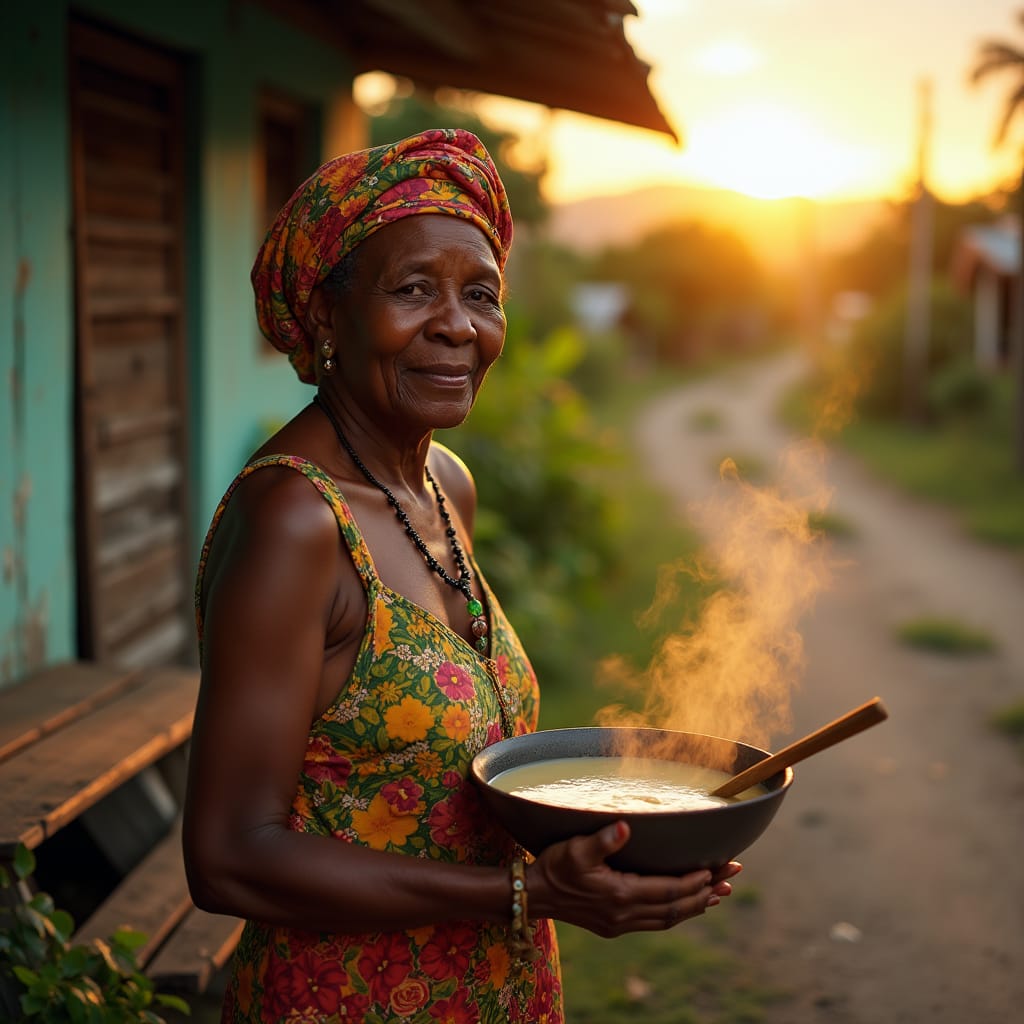
With the passing of Hurricane Melissa, many families are still drying out walls, patching roofs, salvaging memories, and steadying themselves emotionally as much as financially. In moments like these, conversations about property, ownership, and housing must be handled with care — not as abstract market commentary, but as part of a wider human story of rebuilding, resilience, and hope.
And yet, even now — perhaps especially now — the idea of home matters deeply.
Not as a headline about prices.
Not as a debate about interest rates.
But as a question people quietly ask themselves: Where do I belong, and how do I want to live?
In Jamaica, owning a home has never been just a transaction. It’s tied to family legacy, independence, survival, pride, and sometimes even healing. While financial considerations absolutely matter — affordability, lending conditions, construction costs, insurance realities — they are only part of the picture. People don’t pursue homes simply because the numbers line up. They do it because life demands stability, dignity, and space to grow.
As Dean Jones, Founder of Jamaica Homes, puts it:
“In Jamaica, a home isn’t a line item on a balance sheet. It’s where resilience takes shape, where families regroup, and where tomorrow quietly starts again.”
That truth feels especially relevant right now.
Homeownership in Jamaica: A Different Conversation Altogether
Much of the global conversation around homeownership is driven by countries with deeply financialised housing systems — where property is often discussed primarily as an investment vehicle. Jamaica’s reality is more nuanced.
Here, homes are often built in stages.
Families contribute across generations.
Land may come through inheritance, informal arrangements, or long-held family ties.
And decisions are shaped not just by banks, but by community, geography, weather, and lived experience.
So while surveys from larger markets may suggest people value lifestyle benefits over financial ones, Jamaicans didn’t need a study to tell them that. It has always been understood instinctively.
Because in Jamaica, where you live shapes how you live — and sometimes whether you can live with peace of mind at all.
Below are a few reminders of what owning a home can mean in the Jamaican context — not as a promise, not as pressure, but as perspective.
---
1. A Milestone That Carries Real Weight
Buying or building a home in Jamaica is no small achievement.
It’s often the result of years of saving, sacrifice, migration, remittances, and patience. For some, it represents a return after years abroad. For others, it’s the first tangible sign that hard work is finally taking root. Whether it’s a modest house in Clarendon, a hillside build in St Andrew, or a starter property in St Catherine, the moment matters.
That quiet pause when you step inside and realise: This is mine — it lands differently here.
Not because it’s flashy.
But because you know what it took to get there.
“Homeownership in Jamaica is rarely accidental,” Dean Jones notes. “It’s deliberate, earned, and often deeply emotional because people know exactly what they had to overcome to reach that point.”
In a country where many still remember growing up in board houses, shared yards, or overcrowded conditions, ownership isn’t about showing off. It’s about breaking cycles.
---
2. A Place to Regroup When the World Gets Loud
Life in Jamaica is vibrant, communal, and full of energy — but it’s not without pressure. Economic uncertainty, climate events, rising costs, and global instability all take their toll.
Having a place that feels anchored — a space where you can shut the gate, breathe, and reset — matters more than we often admit.
Renting can serve a purpose, and for many it’s the right choice at a particular stage. But renting rarely offers the same sense of emotional security. There’s always the underlying awareness that the arrangement is temporary, conditional, or subject to change.
Owning a home changes that dynamic.
It becomes your base.
Your refuge.
The place where routines return after disruption.
And after a hurricane, that distinction becomes painfully clear. The difference between somewhere you stay and somewhere you belong isn’t philosophical — it’s practical.
A home is where you fix, not flee.
---
3. Space That Reflects How Jamaicans Actually Live
Jamaican life doesn’t fit neatly into imported housing templates.
We entertain differently.
We value yard space differently.
We think about airflow, verandas, fruit trees, and family proximity in ways that overseas models don’t always account for.
Owning a home allows people to choose — or create — spaces that reflect their real lives, not an idealised brochure version of them.
Maybe that means:
* A yard where children can run freely
* A back room that becomes a shop, office, or rental
* An extra bedroom for visiting family from overseas
* A layout that allows elders to age with dignity
When you own, you’re not trying to fit your life into someone else’s rules. You’re shaping space around reality — and sometimes around survival.
And yes, occasionally that means a kitchen expansion that starts “next month” and finishes sometime after the next election. That’s not poor planning — that’s optimism with a hard hat.
---
4. The Quiet Freedom to Make It Yours
There is a subtle but powerful shift that happens when a space truly belongs to you.
You paint without asking.
You plant without permission.
You repair with intention, not reluctance.
In Jamaica, this freedom carries extra significance because homes often double as expressions of identity. Colours matter. Layouts matter. Even small changes signal pride and ownership.
“A Jamaican home tells a story,” says Dean Jones. “Not just of taste, but of progress — every tile, grill, and fruit tree marks a chapter in someone’s journey.”
That sense of authorship — of shaping something that will outlast you — is something renting can rarely provide.
---
Being Honest About What Doesn’t Always Apply
It’s important to say this clearly: not every global narrative around homeownership translates cleanly to Jamaica.
Mortgage access can be uneven.
Interest rates behave differently.
Insurance is becoming more complex.
Infrastructure varies widely by location.
And in the aftermath of a hurricane, the conversation must be especially grounded. Encouraging people to buy, build, or invest without acknowledging vulnerability would be irresponsible.
Homeownership is not a moral requirement.
It is not a race.
It is not a guarantee of wealth or safety.
But when approached thoughtfully — with the right advice, proper due diligence, and realistic expectations — it can still be one of the most stabilising decisions a person makes.
“The goal isn’t ownership at any cost,” Dean Jones reflects. “The goal is ownership that strengthens your life instead of stretching it beyond breaking point.”
That distinction matters.
---
Rebuilding, Reimagining, and Moving Forward
Jamaica is in a moment of rebuilding — physically and emotionally.
For some, homeownership right now means repairing what already exists.
For others, it means postponing plans until things settle.
And for some, it means quietly preparing for a future move, even if the timing isn’t immediate.
All of those choices are valid.
The conversation around housing doesn’t need urgency — it needs honesty, empathy, and context. It needs professionals who understand local realities, not imported scripts. And it needs space for people to prioritise life over pressure.
“A home should support your recovery, not rush your decisions,” Dean Jones says. “Especially in times when the country itself is healing.”
---
A Final Thought
Buying a home in Jamaica has never been just about money.
It’s about belonging.
About grounding.
About creating something steady in an unpredictable world.
If you’re considering a move — now or in the future — keep the emotional side of the conversation alive. Ask not just can I afford this? but does this support the life I’m trying to build?
And when the time feels right, seek guidance from people who understand Jamaica — its systems, its challenges, and its spirit — and who will walk with you patiently, not push you prematurely.
Because here, more than anywhere else, a home is still about life first — and everything else second.
The post More Than Concrete and Zinc: Why a Home in Jamaica Is Still About Life, Not Just Price first appeared on Jamaica Homes.
https://jamaica-homes.com/2025/12/28/more-than-concrete-and-zinc-why-a-home-in-jamaica-is-still-about-life-not-just-price/?utm_source=dlvr.it&utm_medium=blogger